
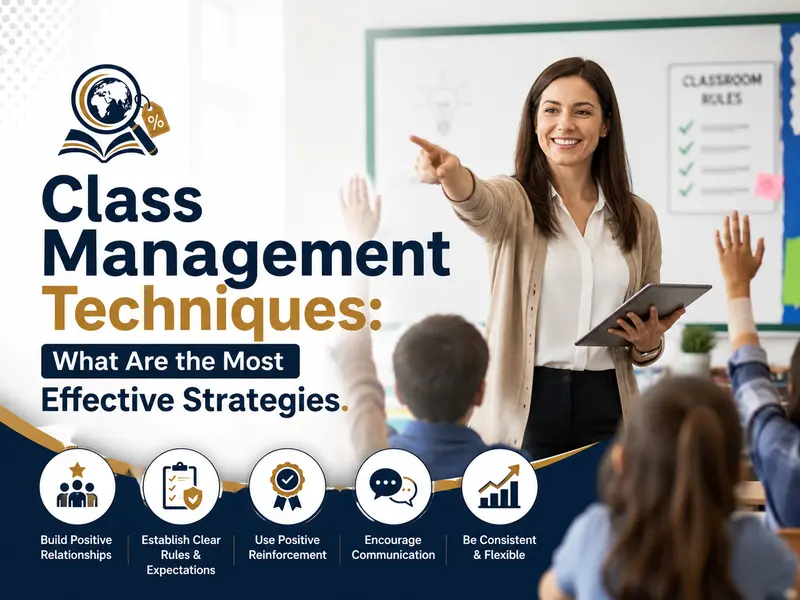
Creating a productive learning environment has become more challenging than ever. Modern classrooms are evolving rapidly, influenced by technology, shorter attention spans, hybrid learning models, and changing student expectations. Teachers today are not only educators but also mentors, communicators, organizers, and behavioural leaders. This is why effective class management techniques are essential for better learning outcomes. A well-managed classroom improves student focus, encourages participation, reduces disruptions, and helps teachers maintain a positive educational atmosphere.
Whether teaching in schools, colleges, online classrooms, or professional training environments, educators across all parts of the world are searching for practical ways to improve student engagement while maintaining discipline. This guide explores some of the most effective strategies teachers can use to create organized, respectful, and high-performing classrooms.
Why Classroom Management Matters in Modern Education
Many people assume classroom management only refers to controlling student behavior. In reality, it goes far beyond discipline.
Strong classroom management helps teachers:
- Build a respectful classroom culture
- Increase student participation
- Reduce stress and distractions
- Improve academic performance
- Encourage collaboration
- Support emotional and social learning
Students perform better when they understand expectations and feel emotionally safe in their learning environment. A classroom without structure often leads to confusion, disengagement, and poor learning outcomes.
Modern educational research also shows that students are more likely to retain information in environments where routines, communication, and consistency are present.
Classroom Management Techniques That Improve Learning
Different classrooms require different approaches, but some strategies consistently produce positive results across age groups and educational systems.
Set Clear Expectations from the Beginning
One of the most important classroom management techniques is establishing expectations early.
Students need clarity about:
- Classroom rules
- Participation standards
- Assignment deadlines
- Respectful behavior
- Communication methods
When expectations remain unclear, students often create their own boundaries, which can lead to behavioral problems.
Teachers who communicate rules confidently and consistently usually experience fewer disruptions later in the academic year.
Build Daily Classroom Routines
Routine creates stability and reduces confusion.
Simple routines can include:
- How students enter the classroom
- Where assignments are submitted
- Transition procedures between activities
- Technology usage guidelines
- Group discussion rules
Structured classrooms help students feel mentally prepared for learning. This is especially important for younger learners and students who struggle with concentration.
Consistent routines also save valuable instructional time.
Positive Reinforcement as a Classroom Management Technique
Punishment-focused environments often create fear instead of motivation. Positive reinforcement encourages students to repeat good behavior naturally.
Effective Ways to Use Positive Reinforcement
Teachers can reinforce positive behavior through:
- Verbal appreciation
- Participation recognition
- Achievement tracking
- Reward systems
- Leadership opportunities
Simple acknowledgment such as:
“That was a thoughtful answer,”
can significantly improve student confidence and engagement.
Positive reinforcement is particularly effective in modern classrooms where students value recognition and emotional validation.
Build Strong Teacher-Student Relationships
Students learn better from teachers they trust and respect.
Strong relationships improve:
- Classroom behavior
- Student confidence
- Communication
- Participation levels
- Emotional safety
Teachers do not need to become friends with students, but they should remain approachable, fair, and supportive.
Ways to Build Better Connections
Learn Student Interests
Understanding hobbies, career goals, or personal strengths helps create stronger engagement.
Practice Active Listening
Students appreciate teachers who genuinely listen instead of immediately reacting.
Maintain Respectful Communication
Respect should work both ways in the classroom. Students respond more positively when they feel respected.
Relationship-driven teaching has become increasingly important in modern education systems worldwide.
Keep Students Actively Engaged
Disengaged students are more likely to become disruptive.
One of the most effective classroom management techniques involves reducing passive learning and increasing interaction.
Interactive Teaching Methods
Teachers can improve engagement through:
- Group discussions
- Problem-solving tasks
- Educational technology
- Case studies
- Gamified learning
- Real-world examples
Students today respond better to participation-based learning compared to long lecture-heavy sessions.
This approach works especially well in professional and technology-focused educational environments.
Use Technology Wisely in Class Management
Technology can either improve or damage classroom control depending on how it is used.
Digital learning tools have transformed education across schools, universities, and professional institutions.
Helpful Technology-Based Classroom Management Techniques
Learning Management Systems
Platforms like:
- Google Classroom
- Microsoft Teams
- Moodle
help teachers organize assignments, communication, attendance, and student progress.
Interactive Quiz Platforms
Tools such as:
- Kahoot!
- Quizizz
make learning more interactive and improve student participation.
Preventing Technology Distractions
Technology should remain structured.
Teachers should establish:
- Screen usage rules
- Device-free discussion times
- Internet behavior expectations
- Clear academic usage policies
Balanced use of technology supports productivity without overwhelming students.
Class Management Techniques for Different Age Groups
Every age group responds differently to classroom strategies.
Elementary Class Management Techniques
Younger students benefit from:
- Visual schedules
- Simple instructions
- Reward charts
- Positive encouragement
- Frequent activity changes
Elementary classrooms usually require higher energy and stronger routine consistency.
Middle School Class Management Techniques
Middle school students often test boundaries while seeking independence.
Effective strategies include:
- Collaborative activities
- Leadership responsibilities
- Clear consequences
- Peer interaction guidelines
Teachers should remain patient while maintaining authority.
High School Class Management Techniques
Older students prefer autonomy and practical learning.
Teachers can improve engagement by:
- Connecting lessons to careers
- Encouraging discussions
- Using project-based learning
- Respecting student opinions
Professional communication becomes increasingly important at this stage.
The Role of Emotional Intelligence in Class Management
Emotional intelligence has become a major part of modern teaching.
Teachers who understand emotional triggers can handle classroom challenges more effectively.
Emotional Intelligence Skills for Teachers
Self-Control
Calm responses prevent unnecessary escalation.
Empathy
Understanding student perspectives improves communication.
Adaptability
Flexible teaching methods help educators respond to different classroom situations.
Conflict Resolution
Teachers should address conflicts professionally rather than emotionally.
Emotionally intelligent classrooms often experience stronger cooperation and fewer behavioral issues.
Encourage Student Responsibility
Students behave better when they feel responsible for their learning environment.
Ways to Promote Responsibility
Teachers can:
- Assign classroom roles
- Encourage peer mentoring
- Let students help create classroom rules
- Use collaborative projects
Responsibility encourages accountability and maturity.
This method is especially effective in professional learning environments and higher education systems.
Non-Verbal Class Management Techniques
Not every classroom correction requires verbal confrontation.
Experienced teachers often use subtle non-verbal signals to maintain control.
Examples of Non-Verbal Communication
- Eye contact
- Hand gestures
- Strategic classroom movement
- Facial expressions
- Pause techniques
These methods reduce interruptions while maintaining classroom flow.
Non-verbal management techniques are highly effective because they minimize public embarrassment for students.
Class Organization and Physical Environment
The classroom environment directly affects student concentration.
A cluttered or poorly organized classroom can reduce focus and increase distractions.
Important Classroom Organization Tips
Arrange Seating Strategically
Seating layouts should support:
- Participation
- Visibility
- Collaboration
- Accessibility
Reduce Visual Distractions
Overcrowded walls and excessive decorations may reduce attention spans.
Create Learning Zones
Separate areas for:
- Group work
- Independent study
- Technology use
- Reading activities
can improve classroom structure.
Modern classrooms should support both productivity and comfort.
Managing Disruptive Behavior Professionally
Every teacher eventually faces difficult classroom situations.
The key is responding calmly rather than emotionally.
Effective Approaches to Behavioral Issues
Address Problems Early
Ignoring small disruptions often leads to larger issues later.
Avoid Public Humiliation
Correct behavior privately whenever possible.
Stay Consistent
Students quickly recognize inconsistent enforcement of rules.
Focus on Solutions
Instead of labeling students negatively, focus on corrective actions and improvement.
Professionalism matters greatly in classroom leadership.
Classroom Management Techniques for Online Learning
Virtual learning environments require a different management style.
Remote classrooms became increasingly common after global digital learning expansion.
Best Practices for Online Class Management
Establish Online Participation Rules
Students should understand:
- Camera expectations
- Microphone etiquette
- Chat behavior
- Assignment submission procedures
Keep Sessions Interactive
Long virtual lectures often reduce attention spans.
Use:
- Polls
- Breakout rooms
- Live discussions
- Interactive presentations
Maintain Communication
Students perform better when teachers remain accessible and responsive online.
Digital learning environments require stronger communication skills than traditional classrooms.
Common Classroom Management Mistakes Teachers Make
Even experienced educators sometimes struggle with consistency.
Being Too Strict or Too Lenient
Extreme approaches can create fear or chaos.
Balanced authority works best.
Lack of Consistency
Changing rules frequently confuses students.
Ignoring Student Engagement
Bored students often become distracted or disruptive.
Overusing Punishment
Punishment without guidance rarely improves long-term behavior.
Recognizing these mistakes helps teachers improve classroom dynamics over time.
How Modern Teaching Trends Are Changing Classroom Management
Education continues evolving due to:
- Artificial intelligence
- Digital learning platforms
- Hybrid classrooms
- Remote education
- Personalized learning systems
Modern classroom management techniques must adapt to these changes.
Teachers today need both traditional leadership skills and technological awareness.
Future-focused educators are increasingly combining:
- Human-centered teaching
- Digital collaboration
- Emotional intelligence
- Productivity systems
- Student-centered learning
This balanced approach creates more effective learning experiences for modern students.
Final Thoughts on Classroom Management Techniques
Strong classroom management is not about controlling students through fear or authority. It is about creating an environment where students feel focused, respected, motivated, and supported.
The most effective classroom management techniques combine:
- Clear expectations
- Positive reinforcement
- Student engagement
- Emotional intelligence
- Consistency
- Modern technology integration
Every classroom is different, and no single strategy works perfectly for everyone. However, teachers who remain adaptable, organized, and student-focused usually build stronger learning environments over time.
As education continues evolving globally, effective classroom leadership will remain one of the most valuable skills any educator can develop.
Frequently Asked Questions
What are the most effective classroom management techniques?
Some of the most effective strategies include setting clear expectations, building routines, encouraging student engagement, using positive reinforcement, and maintaining consistent communication.
Why are classroom management techniques important?
They help create structured learning environments where students can focus, participate actively, and achieve better academic results.
How can teachers manage disruptive students effectively?
Teachers should remain calm, address issues early, avoid public embarrassment, and focus on constructive behavioral improvement instead of punishment alone.
What role does technology play in classroom management?
Technology helps teachers organize lessons, monitor progress, improve communication, and increase student engagement when used properly.
Which classroom management techniques work best for online learning?
Interactive sessions, clear participation rules, consistent communication, and digital collaboration tools are highly effective for virtual classrooms.
How can new teachers improve classroom management skills?
New teachers can improve by observing experienced educators, maintaining consistency, developing routines, and focusing on relationship-building with students.
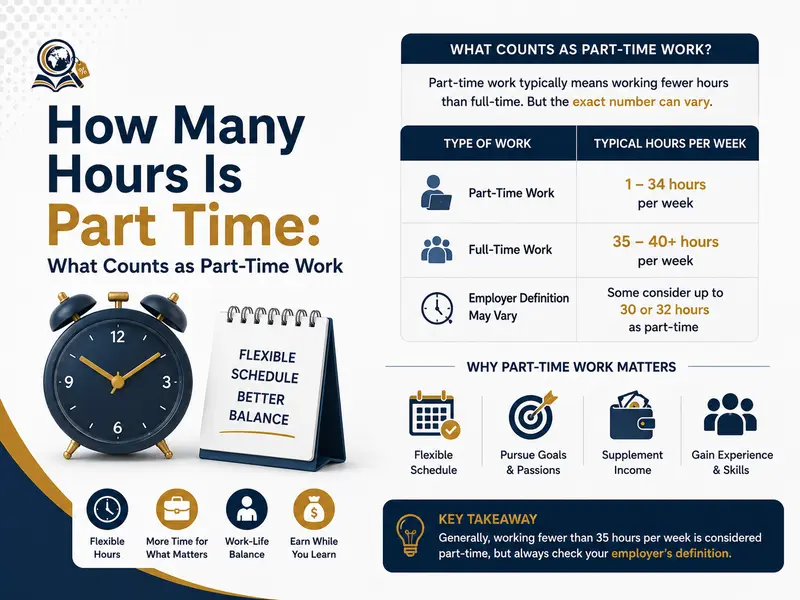
How Many Hours Is Part Time: What Counts as Part-Time
Part-time work generally means working fewer hours than a full-time employee. In most countries, including the United States and Pakistan,…

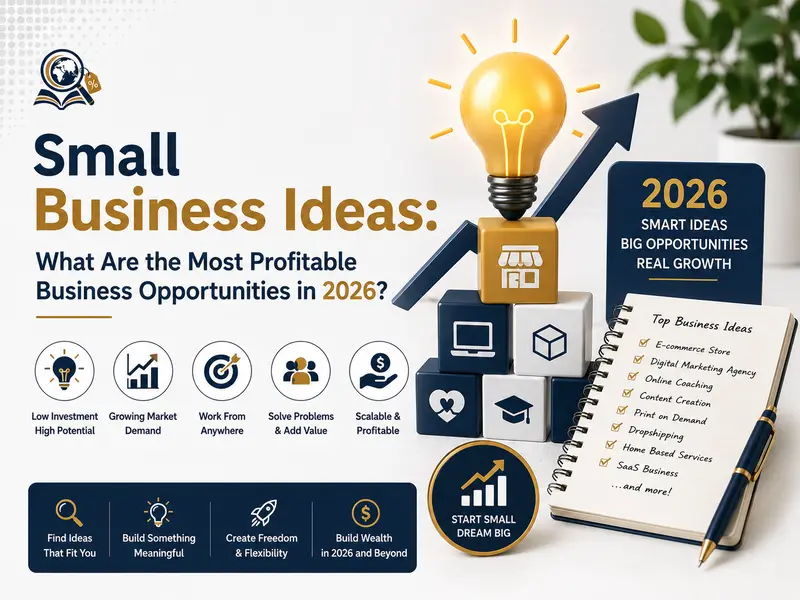
Small Business Ideas: Most Profitable Business Opportunities
Starting a business from a small business ideas, is no longer limited to large investments, office spaces, or huge teams….
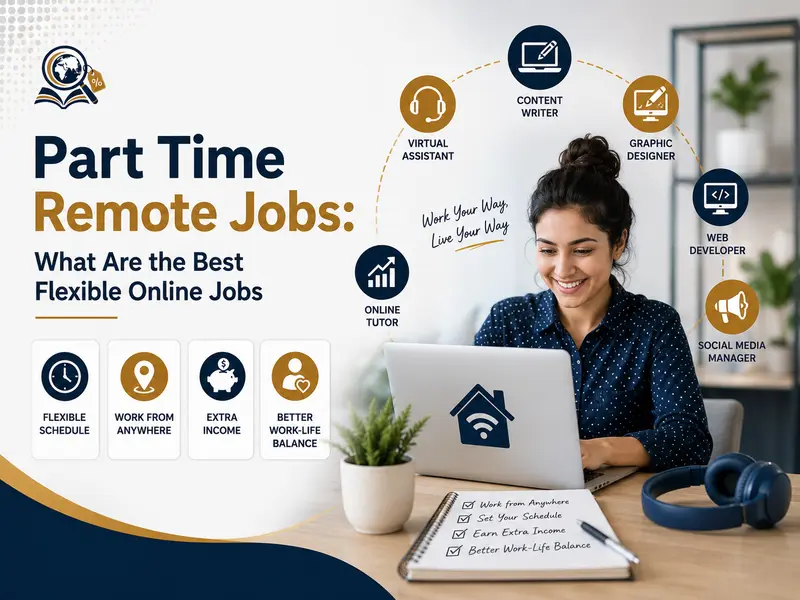
Part Time Remote Jobs: What Are the Best Flexible Online
The best part time remote jobs are flexible online roles that allow professionals to earn income from anywhere while maintaining…

Meta Ads Library: How Marketers Use It to Analyze Competitor
The Meta Ads Library is a public transparency tool created by Meta Platforms that allows users to search and view…

How to Block Websites on Chrome: Best Method to Restrict
Blocking websites on Chrome is one of the most effective ways to improve productivity, enhance parental control, reduce distractions, and…

Local SEO Services: How Do They Help Businesses Rank Locally?
Local SEO services help businesses improve their visibility in location-based search results on search engines like Google. These services focus…
- How Many Hours Is Part Time: What Counts as Part-Time Work
- Small Business Ideas: Most Profitable Business Opportunities
- Part Time Remote Jobs: What Are the Best Flexible Online Jobs
- Meta Ads Library: How Marketers Use It to Analyze Competitor Ads
- How to Block Websites on Chrome: Best Method to Restrict Access