
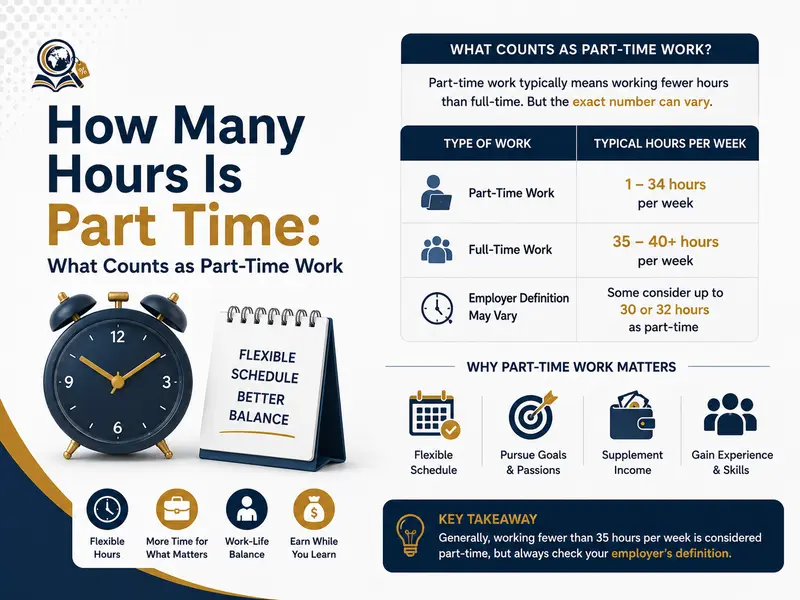
Part-time work generally means working fewer hours than a full-time employee. In most countries, including the United States and Pakistan, people working less than 35 to 40 hours per week are usually considered part-time employees. However, there is no single global rule because companies and industries often define work schedules differently.
For many employers, working between 10 and 30 hours weekly falls under flexible or reduced-hour employment. These positions are popular among students, freelancers, parents, remote workers, and professionals looking for better work-life balance.
Understanding working-hour classifications is important because they can affect:
- Salary structure
- Employee benefits
- Overtime eligibility
- Scheduling flexibility
- Career opportunities
This guide explains what part-time employment means, how companies classify workers, common hour ranges, and the advantages and disadvantages of flexible work schedules.
What Does Part-Time Employment Mean?
Part-time employment refers to a work arrangement where employees work fewer hours than the company’s standard full-time schedule.
Unlike traditional office roles with fixed daily shifts, reduced-hour jobs often provide greater flexibility. Employers may offer shorter shifts, rotating schedules, or weekend-only work depending on business needs.
Flexible work arrangements are common in industries such as:
- Retail
- Hospitality
- Education
- Technology
- Customer service
- Healthcare
- Remote freelancing
As workplace culture evolves globally, flexible schedules are becoming increasingly common across both traditional and digital industries.
Typical Weekly Part-Time Working Hours
The number of hours varies depending on the employer and country, but most businesses follow similar ranges.
Common Work-Hour Categories
| Employment Type | Weekly Hours |
|---|---|
| Minimal Schedule | 1–15 hours |
| Standard Flexible Schedule | 16–30 hours |
| Extended Reduced Schedule | 30–35 hours |
| Full-Time Employment | 35–40+ hours |
Many organizations classify employees as full-time once they consistently exceed 35 or 40 weekly hours.
Part-Time Work-Hour Standards in the United States
In the United States, federal labor law does not provide a strict nationwide definition for reduced-hour employment.
Instead, businesses create their own classifications based on:
- Company policy
- Healthcare requirements
- Payroll systems
- Benefits eligibility
Many American employers consider workers below 30 hours weekly as non-full-time staff.
Under guidelines associated with the Internal Revenue Service, employees averaging 30 hours or more weekly may sometimes qualify for certain healthcare-related benefits.
Because of this, companies often use different thresholds depending on their operational structure.
Flexible Employment Trends in Pakistan
In Pakistan, flexible schedules are becoming increasingly popular, especially among:
- University students
- Call center workers
- Online freelancers
- Remote professionals
- Digital marketers
Many businesses treat 4–6 working hours per day as reduced-hour employment, while standard 8-hour shifts are usually considered full-time.
The growth of online work platforms has also expanded opportunities for professionals seeking flexible income sources.
Difference Between Full-Time and Reduced-Hour Jobs
The biggest distinction is the number of weekly working hours, but several other differences also matter.
Workload and Scheduling
Flexible roles usually involve shorter shifts and more adaptable schedules.
Benefits and Perks
Full-time employees are more likely to receive:
- Health insurance
- Paid leave
- Retirement plans
- Performance bonuses
Workers with shorter schedules may receive limited or no benefits depending on company policies.
Career Flexibility
Reduced-hour positions can provide more personal freedom, making them attractive for:
- Students
- Parents
- Freelancers
- Entrepreneurs
- Side-business owners
Income Stability
Traditional full-time roles often provide more predictable monthly income compared to hourly flexible jobs.
Why Many People Prefer Flexible Work Schedules
Modern professionals increasingly value balance and flexibility over rigid schedules.
Better Work-Life Balance
Shorter schedules can create more time for:
- Family responsibilities
- Education
- Personal development
- Freelance projects
- Mental wellness
Additional Income Opportunities
Many individuals combine flexible jobs with:
- Online businesses
- Content creation
- Freelancing
- Consulting work
Reduced Burnout
Shorter working hours may reduce stress and improve overall productivity.
This has become particularly important in modern digital work environments where burnout is increasingly common.
Industries That Frequently Offer Flexible Jobs
Certain industries rely heavily on adaptable staffing systems.
Retail Sector
Retail businesses often hire workers for:
- Weekend shifts
- Customer service
- Seasonal support
Hospitality Industry
Hotels, restaurants, and cafes commonly use rotating schedules to manage peak business hours.
Education and Tutoring
Teaching centers and online learning platforms regularly offer reduced-hour teaching roles.
Technology and Digital Services
Modern digital industries now provide flexible opportunities in:
- Web development
- Graphic design
- Virtual assistance
- Social media management
- Content writing
Remote work technology has significantly increased global access to these opportunities.
Remote Work and Digital Employment Growth
Technology has changed how people work around the world.
Remote collaboration tools and freelance marketplaces now allow professionals to work from almost anywhere while maintaining flexible schedules.
Popular digital platforms include:
- Upwork
- Fiverr
These platforms have helped professionals in Pakistan, the United States, and other countries access global earning opportunities.
The rise of digital employment continues reshaping traditional career structures.
Advantages of Flexible Employment
Reduced-hour work arrangements offer several personal and professional benefits.
More Scheduling Freedom of Part-Time Hours
Employees can often choose working times that suit their lifestyle.
Opportunity to Build Skills
Flexible roles help individuals gain:
- Industry experience
- Communication skills
- Professional exposure
- Networking opportunities
Easier Entry Into the Workforce
Students and beginners often use shorter schedules to gain initial work experience.
Support for Career Transitions
Some professionals use flexible roles while switching industries or developing new skills.
Challenges Associated With Flexible Work
Although there are benefits, there are also some limitations.
Lower Earnings
Fewer working hours usually result in lower monthly income.
Limited Benefits of Part-time hours
Some employers do not provide healthcare or paid leave to employees working shorter schedules.
Part-time Hours Irregularity
Schedules may vary weekly depending on workload or business demand.
Slower Career Advancement
Certain organizations prioritize full-time staff for leadership positions and promotions.
How Employers Classify Workers
Employment classification usually depends on internal company rules.
Organizations may consider:
- Average weekly hours
- Shift length
- Employment contracts
- Payroll structures
- Benefits eligibility
Company Policies Matter for Part-Time
Two employers may classify the same schedule differently.
For example:
- One company may treat 32 hours as part-time employment
- Another may consider it full-time
Employees should always review official contracts carefully before accepting a position.
Flexible Employment in Modern Work Culture
Global work culture is rapidly changing due to:
- Remote collaboration
- Artificial intelligence
- Digital productivity tools
- Hybrid workplaces
- Freelance economies
Many professionals now prioritize:
- Personal freedom
- Mental wellness
- Remote flexibility
- Lifestyle-focused careers
This shift has made adaptable schedules more accepted across industries worldwide.
Companies are also increasingly combining:
- Full-time employees
- Freelancers
- Contract workers
- Flexible staff
to create more agile business models.
Part-Time Hours Opportunities for Students
Students frequently choose shorter schedules because they provide both income and professional experience.
Popular Student Roles
- Tutoring
- Customer support
- Retail assistance
- Online freelancing
- Delivery services
Early work experience can strengthen resumes and improve future career opportunities.
Many students also develop practical workplace skills while continuing their education.
Legal and Financial Considerations
Labor regulations differ across countries and industries.
Important factors include:
- Minimum wage rules
- Tax obligations
- Overtime laws
- Workplace protections
Employees should understand:
- Payment structures
- Expected schedules
- Contract terms
- Benefit eligibility
before accepting any role.
The Future of Part-Time Employment
Technology and changing workplace expectations continue driving employment flexibility worldwide.
Modern companies increasingly recognize that productivity is not always linked to long office hours.
Flexible staffing models are becoming more common because they:
- Reduce operational costs
- Support remote collaboration
- Improve employee satisfaction
- Increase workforce adaptability
This trend is expected to continue growing across both developed and emerging economies.
Final Thoughts on Part-time Hours
Understanding what counts as reduced-hour employment can help job seekers make better career decisions.
In most situations, employees working fewer than 35–40 hours weekly are considered non-full-time staff, although exact classifications vary between employers.
Flexible schedules can provide:
- Better work-life balance
- Additional income opportunities
- Skill development
- Greater freedom
However, workers should also consider:
- Income consistency
- Benefits availability
- Long-term career growth
- Scheduling stability
As digital work culture continues expanding, flexible employment is becoming an increasingly valuable option for students, professionals, freelancers, and remote workers worldwide.
Frequently Asked Questions
What is usually considered part-time employment?
Most employers consider employees working fewer than 35–40 hours weekly as part-time workers.
Is 30 hours weekly considered full-time?
Some companies still classify 30 hours as reduced-hour employment, while others may treat it as full-time for benefits purposes.
Can employees with shorter schedules receive benefits?
Some organizations provide limited benefits, but eligibility depends on company policy and local labor regulations.
Are flexible jobs good for students?
Yes. They allow students to gain experience, earn income, and build professional skills while continuing their studies.
Which industries commonly offer reduced-hour roles?
Retail, hospitality, education, customer service, and digital freelancing industries frequently offer flexible schedules.
Is remote freelancing considered part-time work?
It can be. Many freelancers work flexible hours depending on their workload and client commitments.
How Many Hours Is Part Time: What Counts as Part-Time
Part-time work generally means working fewer hours than a full-time employee. In most countries, including the United States and Pakistan,…


Small Business Ideas: Most Profitable Business Opportunities
Starting a business from a small business ideas, is no longer limited to large investments, office spaces, or huge teams….
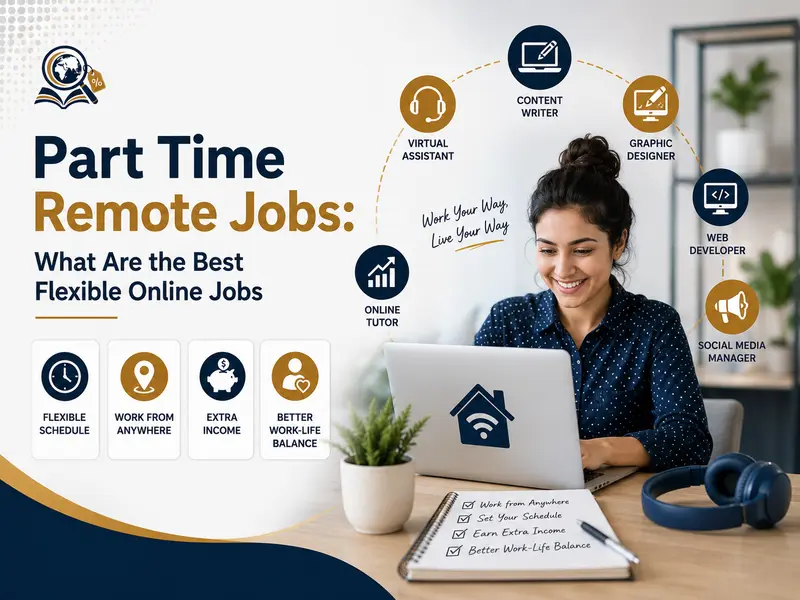
Part Time Remote Jobs: What Are the Best Flexible Online
The best part time remote jobs are flexible online roles that allow professionals to earn income from anywhere while maintaining…

Meta Ads Library: How Marketers Use It to Analyze Competitor
The Meta Ads Library is a public transparency tool created by Meta Platforms that allows users to search and view…
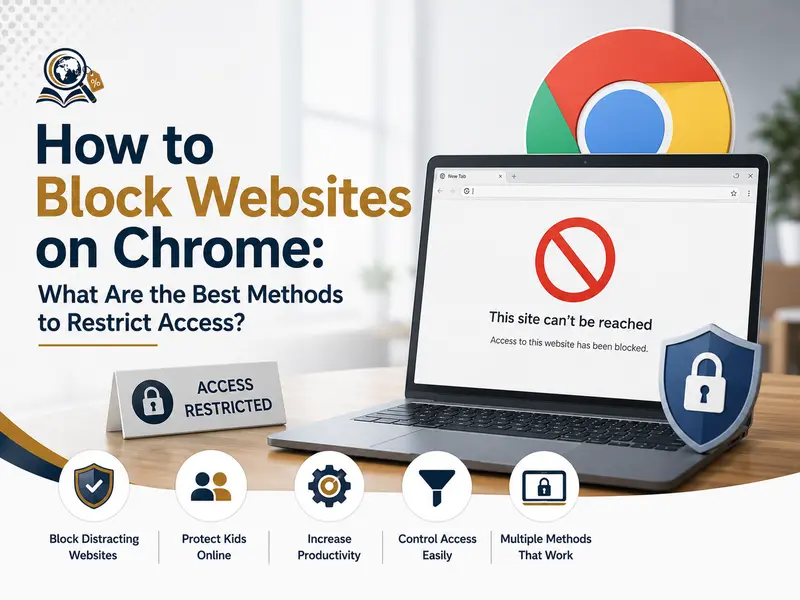
How to Block Websites on Chrome: Best Method to Restrict
Blocking websites on Chrome is one of the most effective ways to improve productivity, enhance parental control, reduce distractions, and…

Local SEO Services: How Do They Help Businesses Rank Locally?
Local SEO services help businesses improve their visibility in location-based search results on search engines like Google. These services focus…
- How Many Hours Is Part Time: What Counts as Part-Time Work
- Small Business Ideas: Most Profitable Business Opportunities
- Part Time Remote Jobs: What Are the Best Flexible Online Jobs
- Meta Ads Library: How Marketers Use It to Analyze Competitor Ads
- How to Block Websites on Chrome: Best Method to Restrict Access