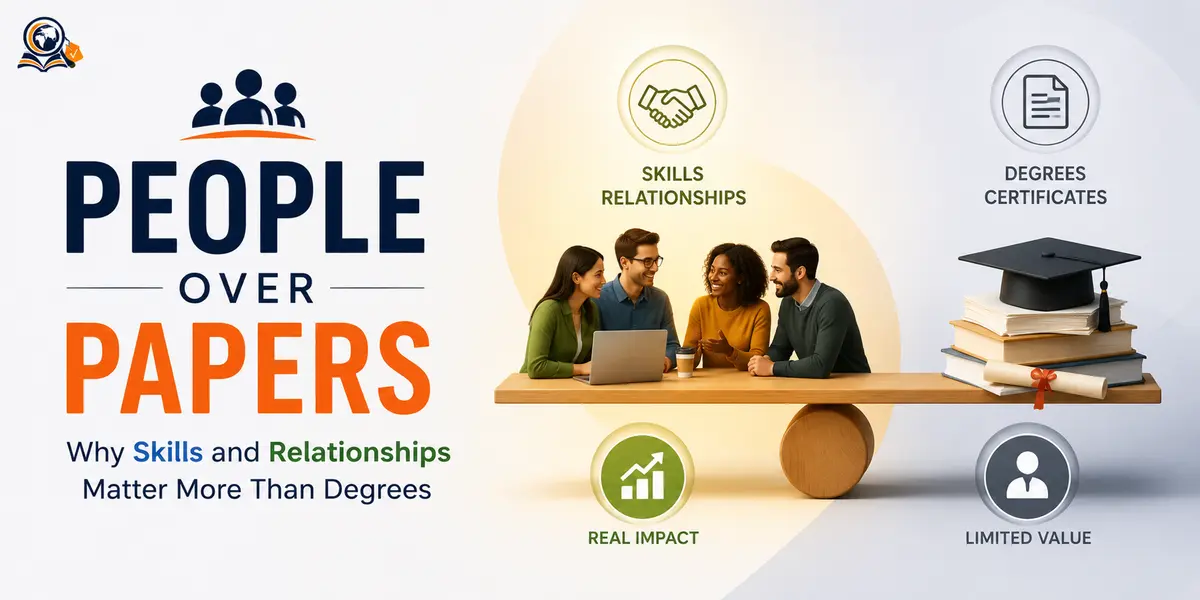
For decades, degrees and academic qualifications were considered the primary path to career success. Today, that mindset is changing rapidly with the evolvement of people over papers phrase. Employers, entrepreneurs, and modern professionals increasingly recognize that real-world skills, communication abilities, adaptability, and strong relationships often matter more than certificates alone.
The idea behind people over papers is simple: qualifications may open doors, but long-term success usually depends on practical ability, emotional intelligence, networking, and continuous growth. In modern industries driven by technology, innovation, and remote collaboration, many companies now prioritize what people can actually do rather than what is written on paper.
This shift is especially visible in fields such as:
- Technology
- Digital marketing
- Content creation
- Entrepreneurship
- Freelancing
- Design
- Remote work
- Online business
While education still has value, professionals who combine learning with practical experience and relationship-building are often better positioned for long-term career growth.
What Does People Over Papers Mean?
The phrase people over papers refers to valuing human potential, practical ability, and meaningful relationships more than formal credentials alone.
It does not mean education is useless. Instead, it highlights that:
- Degrees are not the only measure of intelligence
- Skills often matter more in real-world environments
- Networking can create opportunities qualifications alone cannot
- Character and communication strongly influence success
Modern employers increasingly look for individuals who can:
- Solve problems
- Communicate effectively
- Adapt quickly
- Work collaboratively
- Learn continuously
These qualities are difficult to measure through academic paperwork alone.
Why the Traditional Career Model Is Changing
For many years, society promoted a straightforward path:
- Earn a degree
- Get a stable job
- Build a career
While this system still works in some professions, technology and digital transformation have changed the global job market significantly.
Today, industries evolve faster than traditional education systems can sometimes adapt.
Technology Is Changing Hiring Standards
Companies increasingly hire based on:
- Portfolios
- Real projects
- Online presence
- Technical ability
- Communication skills
Many employers now care more about results than academic background.
This trend has become especially visible in:
- Software development
- Content writing
- Graphic design
- Digital marketing
- Video editing
- Web development
Skills Are Becoming More Valuable Than Memorization
Traditional education often focuses heavily on theoretical learning. However, many workplaces prioritize execution and adaptability.
Practical Skills Matter in Real Work Environments
Professionals today need abilities such as:
- Problem-solving
- Time management
- Leadership
- Creativity
- Collaboration
- Digital literacy
People who continuously develop practical skills often remain more competitive in evolving industries.
Self-Learning Has Become More Accessible
The internet has transformed education completely.
People can now learn through:
- Online courses
- Tutorials
- Communities
- Digital platforms
- Remote mentorship
Platforms such as:
- Coursera
- Udemy
- YouTube
have made skill-building more accessible globally.
Why Relationships Matter More Than Ever
Professional success is rarely built entirely alone.
Strong relationships often create:
- Career opportunities
- Collaborations
- Mentorship
- Business partnerships
- Personal growth
Networking is no longer limited to corporate events. Digital communication now allows professionals worldwide to connect and collaborate.
Emotional Intelligence Influences Career Growth
People with strong interpersonal skills often perform better in leadership and collaborative environments.
Important qualities include:
- Active listening
- Communication
- Empathy
- Conflict resolution
- Professionalism
These skills strongly affect workplace success.
The Rise of Skill-Based Hiring
Modern companies increasingly use skill-focused recruitment models.
Instead of filtering candidates only by degrees, employers now evaluate:
- Real-world experience
- Technical projects
- Portfolios
- Communication ability
- Problem-solving skills
Tech Industry Examples
Many successful professionals in technology fields built careers through:
- Self-learning
- Freelancing
- Open-source contributions
- Online certifications
- Practical experience
Several major companies have also reduced strict degree requirements for certain roles.
This reflects the growing importance of demonstrated capability over academic prestige.
Degrees Still Matter in Some Fields
The shift toward skills does not mean degrees have no value.
Certain professions still require formal qualifications due to safety, legal, or technical standards.
Examples include:
- Medicine
- Engineering
- Law
- Architecture
In these industries, certifications and structured education remain essential.
However, even within traditional professions, communication and adaptability still matter significantly.
Why Personal Branding Has Become Important
Modern professionals are increasingly building careers through online visibility.
A strong personal brand can showcase:
- Expertise
- Projects
- Ideas
- Communication style
- Professional identity
Platforms Supporting Professional Growth
Websites such as:
- GitHub
- Behance
allow professionals to demonstrate skills publicly.
This visibility often matters more than resumes alone in digital industries.
Real Experience Builds Confidence Faster
Hands-on experience teaches lessons that theoretical learning often cannot.
People usually grow faster when they:
- Work on real projects
- Solve practical problems
- Collaborate with others
- Face challenges directly
Experience also helps build confidence and decision-making ability.
This is why internships, freelance work, and side projects are increasingly valuable in modern career development.
The Role of Mindset in Long-Term Success
A growth-oriented mindset often matters more than credentials.
Professionals who stay curious and adaptable are usually better prepared for changing industries.
Important Mindset Traits
Willingness to Learn
Technology and business environments evolve rapidly.
Continuous learning is now essential.
Adaptability
Rigid thinking can limit career growth in fast-changing industries.
Discipline and Consistency
Long-term progress often depends more on habits than motivation alone.
Mindset strongly influences both personal and professional development.
Why Soft Skills Are Becoming More Valuable
Automation and artificial intelligence continue changing workplaces worldwide.
As technical tasks become automated, human-centered abilities become even more valuable.
Important Human Skills
- Leadership
- Communication
- Creativity
- Emotional intelligence
- Team collaboration
These qualities are difficult for technology to replace completely.
Companies increasingly prioritize professionals who combine technical ability with strong interpersonal skills.
Freelancing and Remote Work Changed Career Paths
Digital platforms have created opportunities that were uncommon a decade ago.
Many professionals now build careers without traditional degrees through:
- Freelancing
- Online businesses
- Remote work
- Content creation
Platforms such as:
- Upwork
- Fiverr
allow skilled individuals to compete globally based on ability rather than academic background.
This shift has expanded career access for people worldwide, including professionals in Pakistan and other emerging digital economies.
Why Networking Often Creates Opportunities Faster
Career opportunities frequently come through people rather than applications alone.
Strong professional relationships can lead to:
- Referrals
- Partnerships
- Mentorship
- Collaborations
- New clients
Building Meaningful Professional Connections
Good networking is not simply collecting contacts.
It involves:
- Providing value
- Communicating professionally
- Maintaining consistency
- Supporting others genuinely
Relationship-building remains one of the most underrated career skills.
The Problem With Overvaluing Credentials
Some people spend years collecting qualifications without developing practical ability.
Degrees alone may not guarantee:
- Communication skills
- Leadership ability
- Creativity
- Problem-solving
- Adaptability
Modern employers increasingly recognize this difference.
The Gap Between Theory and Execution
Academic knowledge is useful, but execution determines results in most professional environments.
People who apply knowledge effectively usually stand out more than those with credentials alone.
Learning Never Stops in Modern Careers
The most successful professionals continue learning even after formal education ends.
Continuous improvement may involve:
- Online courses
- Reading
- Mentorship
- Industry communities
- Practical experimentation
Modern careers reward adaptability and curiosity more than static knowledge.
Balancing Education With Real-World Growth
The best approach is balance.
Degrees can provide:
- Foundational knowledge
- Structure
- Credibility
- Networking opportunities
However, practical growth requires:
- Real experience
- Communication
- Self-development
- Skill-building
- Relationship management
Combining both education and real-world capability often produces the strongest long-term results.
Final Thoughts on People Over Papers
The modern professional world is changing rapidly. While formal education still matters in many situations, long-term success increasingly depends on skills, adaptability, emotional intelligence, and relationships.
The idea behind people over papers is not rejecting education. It is recognizing that:
- Real ability matters
- Human connection matters
- Practical execution matters
- Continuous growth matters
Technology, remote work, and digital learning have created more opportunities for people to build meaningful careers through skill development and collaboration rather than credentials alone.
In the modern economy, the professionals who continue learning, communicating effectively, and building strong relationships are often the ones who grow the fastest.
Frequently Asked Questions
What does people over papers mean?
It refers to valuing skills, relationships, communication, and practical ability more than qualifications alone.
Are degrees still important today?
Yes. Many professions still require formal education, but practical skills and adaptability are becoming increasingly valuable across industries.
Why are skills becoming more important than degrees?
Technology and modern workplaces prioritize real-world problem-solving, execution, and flexibility over memorized theoretical knowledge.
Can people succeed professionally without a degree?
Yes. Many professionals build successful careers through freelancing, digital skills, entrepreneurship, and practical experience.
What skills matter most in modern careers?
Communication, adaptability, leadership, problem-solving, emotional intelligence, and digital literacy are highly valuable today.
How can professionals improve career opportunities without another degree?
They can build portfolios, learn practical skills online, gain real-world experience, network effectively, and continuously improve professionally.
People Over Papers: Why Skills and Relationships Matter More Than
For decades, degrees and academic qualifications were considered the primary path to career success. Today, that mindset is changing rapidly…

Is Fast People Search Safe? Privacy Risks You Should Know
People search platforms have become increasingly popular in recent years, allowing users to find public information about individuals within seconds….
Glow Up Guide: 15 Real Ways to Improve Your Looks
A real glow up is not just about appearance. It is a combination of physical improvement, mental growth, healthier habits,…
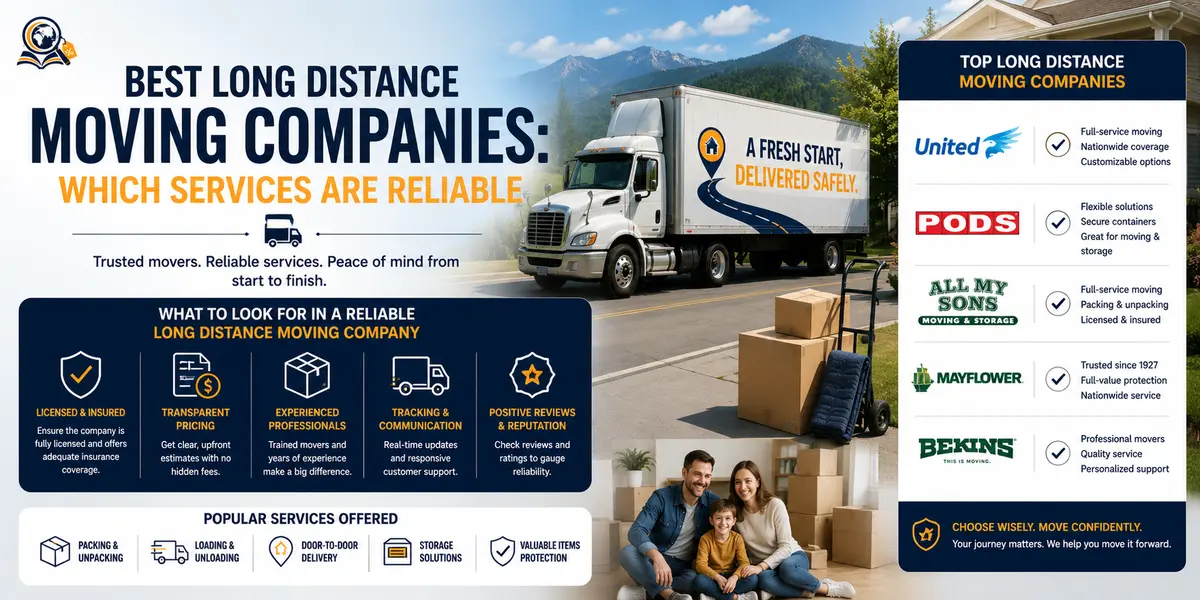
Best Long Distance Moving Companies: Which Services Are Reliable
Choosing one of the best long distance moving companies can make a major difference in cost, convenience, and stress levels…
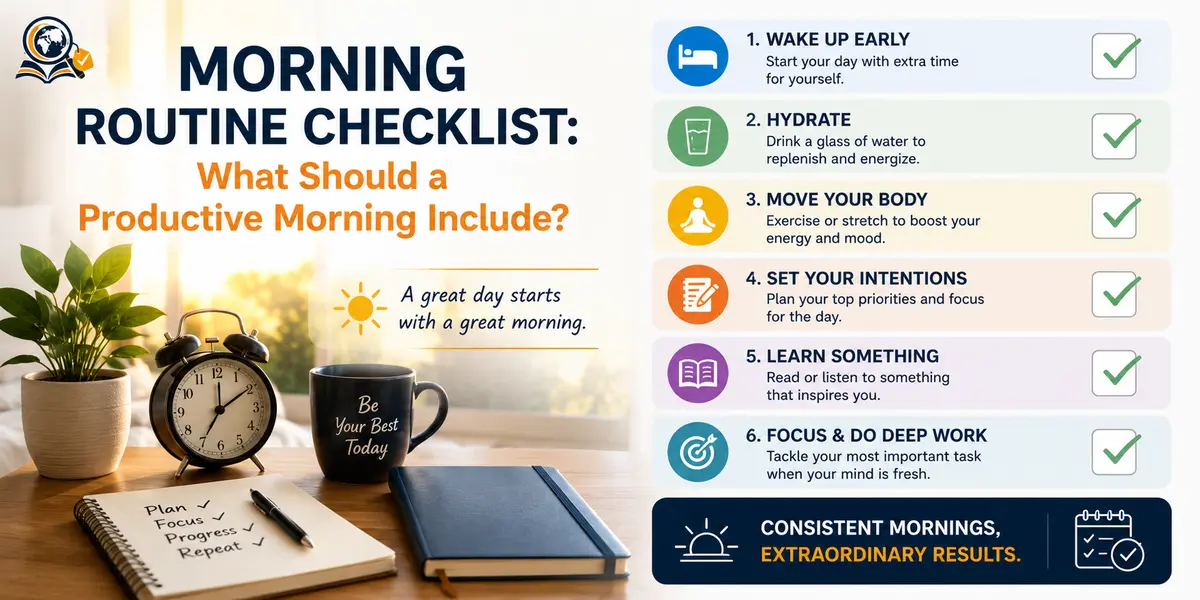
Morning Routine Checklist: What Should a Productive Morning Include
A strong morning routine can improve focus, energy, productivity, and mental clarity throughout the day. The most effective routines are…
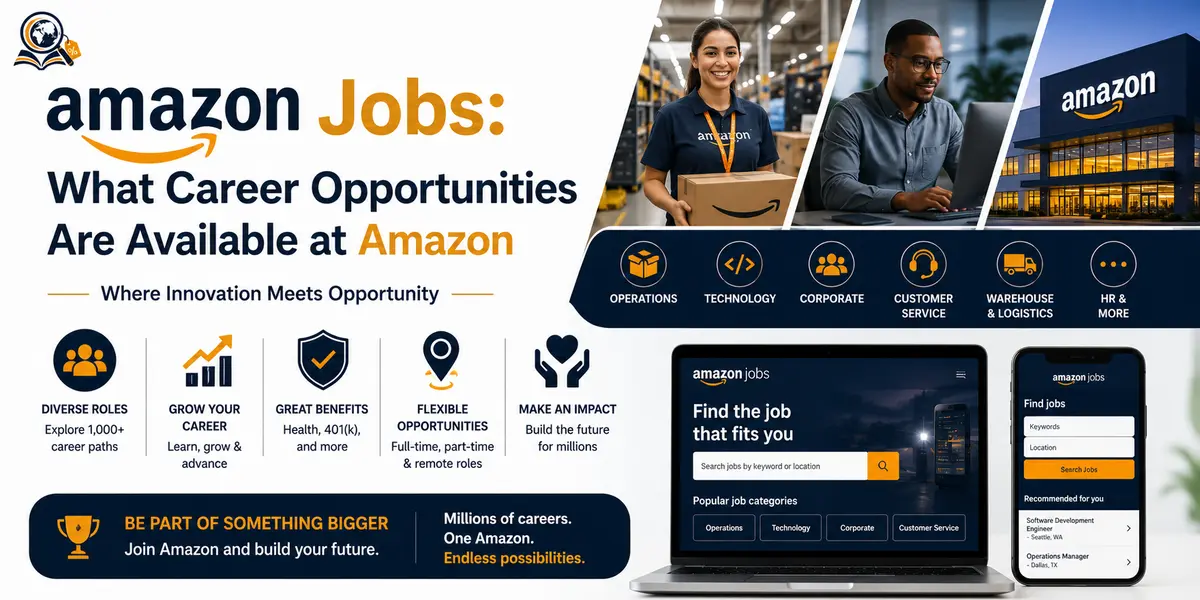
Amazon Jobs: What Career Opportunities Are Available at Amazon
Finding the right career opportunity in today’s fast-changing digital economy can be challenging, especially for professionals looking to work with…
- People Over Papers: Why Skills and Relationships Matter More Than Degrees
- Is Fast People Search Safe? Privacy Risks You Should Know
- Glow Up Guide: 15 Real Ways to Improve Your Looks and Lifestyle
- AliExpress Affiliate: How Does the Program Work and Is It Worth Joining
- Case Management System: How Does It Improve Modern Business Operations?