
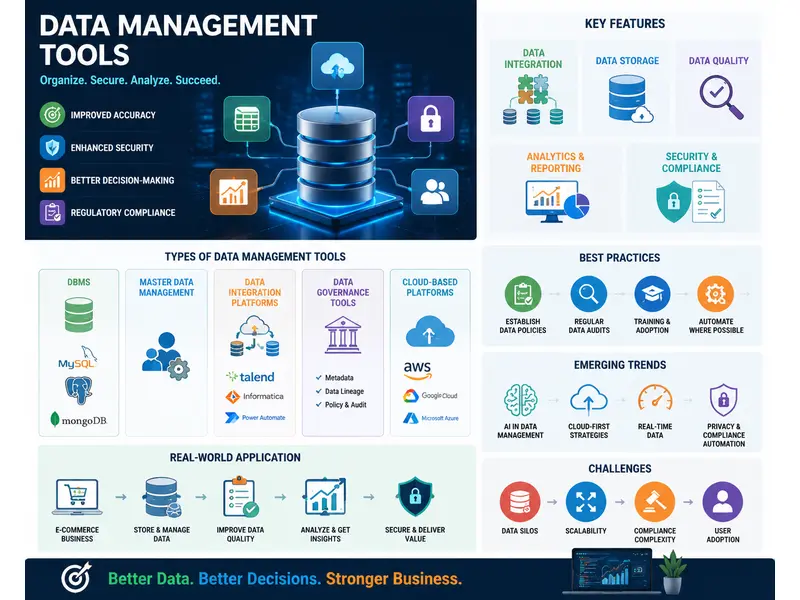
In today’s digital-first world, data is one of the most valuable assets a business can possess. Organizations generate massive volumes of data every day—from customer interactions and financial transactions to operational metrics and social media insights. Managing this data efficiently requires specialized data management tools that ensure accuracy, accessibility, security, and usability.
Effective data management goes beyond storage. It involves organizing, analyzing, and maintaining data to support strategic decisions, operational efficiency, and regulatory compliance. Businesses that leverage the right tools gain a competitive advantage, uncover new opportunities, and reduce risks associated with poor data handling.
Why Data Management Tools Are Essential
Data is only useful if it is reliable and accessible. Without proper management, organizations face challenges such as duplicated records, inconsistent reporting, security breaches, and missed business opportunities.
Benefits of using data management tools include:
- Improved Accuracy: Tools help eliminate duplicate entries and inconsistencies.
- Enhanced Security: Sensitive data can be encrypted and access-controlled.
- Better Decision-Making: Organized data allows faster and more informed insights.
- Regulatory Compliance: Tools help meet standards like GDPR, HIPAA, or ISO requirements.
Implementing these tools is no longer optional—it is essential for any business that handles significant volumes of data.
Key Features of Data Management Tools
Data management tools vary widely, but most share key functionalities designed to improve efficiency and accuracy.
Data Integration and Centralization
Modern businesses often use multiple platforms and applications, resulting in siloed data. Data integration tools consolidate information from different sources, creating a single source of truth.
Benefits of Centralized Data
- Eliminates redundant information across departments.
- Enhances collaboration by giving teams consistent data access.
- Reduces errors caused by manual data entry or miscommunication.
Data Storage and Organization
Efficient storage is at the heart of data management. Tools offer structured databases, cloud storage, and automated backup solutions to ensure data is organized and easily retrievable.
Storage features include:
- Relational and non-relational databases.
- Automated indexing and categorization.
- Version control and archiving capabilities.
Data Quality Management
Data quality management tools ensure that information is accurate, complete, and relevant. They detect inconsistencies, missing values, and outdated records, improving the reliability of analytics and reporting.
Common features:
- Duplicate detection and removal.
- Data validation against predefined rules.
- Monitoring of data completeness and accuracy.
Analytics and Reporting
Many data management tools include analytics capabilities that allow businesses to transform raw data into actionable insights. Users can generate reports, visualize trends, and identify patterns that drive strategy.
Capabilities often include:
- Custom dashboards for performance tracking.
- Predictive analytics for forecasting.
- Real-time reporting for operational decisions.
Security and Compliance
As data privacy regulations become stricter, tools that enforce security measures are vital. Features include encryption, role-based access control, audit logs, and automated compliance checks.
By implementing these controls, organizations minimize the risk of data breaches, protect sensitive customer information, and ensure regulatory compliance.
Types of Data Management Tools
The market offers a wide variety of data management solutions, each catering to specific business needs.
Database Management Systems (DBMS)
DBMS are foundational data management tools used to store, retrieve, and manipulate structured data. They support relational, document-based, and object-oriented databases.
Popular examples:
- MySQL
- PostgreSQL
- MongoDB
Master Data Management (MDM) Tools
MDM tools focus on creating a single, consistent view of core business data such as customer profiles, product information, or supplier records. They reduce redundancy and improve data governance.
Benefits of MDM:
- Standardizes data across platforms.
- Enhances reporting accuracy.
- Supports compliance initiatives.
Data Integration Platforms
Integration platforms consolidate data from multiple sources, including cloud applications, on-premises systems, and third-party services.
Notable tools:
- Talend
- Informatica
- Microsoft Power Automate
Data Governance Tools
Data governance tools help define policies, procedures, and accountability for data management. They ensure consistent standards across the organization.
Key capabilities include:
- Metadata management
- Data lineage tracking
- Policy enforcement and auditing
Cloud-Based Data Management Tools
Cloud platforms provide scalable storage, automated backups, and collaboration-friendly features. They allow teams to manage data remotely while reducing infrastructure costs.
Examples:
- Amazon Web Services (AWS)
- Google Cloud Platform (GCP)
- Microsoft Azure
Best Practices for Using Data Management Tools
Proper implementation of data management tools ensures maximum value and minimizes errors.
Establish Clear Data Policies
Organizations should define rules for data entry, access, storage, and retention. Clear policies ensure consistency and prevent misuse.
Regular Data Audits
Routine audits help identify inconsistencies, outdated records, or unauthorized access. They maintain high data quality and compliance.
Training and Adoption
Investing in staff training ensures teams can fully utilize the features of data management tools. Adoption is key to realizing ROI.
Automate Where Possible
Automation reduces manual effort and human error. Examples include scheduled backups, automated data cleansing, and real-time synchronization between platforms.
Emerging Trends in Data Management
The landscape of data management is evolving rapidly, influenced by AI, cloud computing, and big data analytics.
Artificial Intelligence in Data Management
AI enhances tools by automating data classification, detecting anomalies, and predicting trends. Machine learning algorithms can identify hidden patterns and provide deeper insights.
Cloud-First Data Strategies
Organizations are increasingly moving to cloud-based platforms to scale operations efficiently, support remote teams, and reduce IT overhead.
Real-Time Data Management
Modern businesses require real-time data visibility for immediate decision-making. Tools now support live analytics, streaming data, and automated alerts for critical metrics.
Data Privacy and Compliance Automation
With regulations like GDPR and CCPA, data management tools are integrating compliance automation. This ensures ongoing adherence to laws without manual intervention.
Real-World Applications of Data Management Tools
Consider an e-commerce company that handles thousands of daily transactions:
- Database Management: Stores product catalogs, inventory, and customer data efficiently.
- Data Quality Tools: Removes duplicate customer entries and updates outdated contact information.
- Analytics Platforms: Tracks purchasing trends and recommends personalized offers.
- Security Features: Encrypts payment information and monitors access logs for potential breaches.
Using these tools, the company ensures accurate reporting, secure transactions, and personalized customer experiences, all critical for growth and reputation.
Challenges in Data Management
While tools provide immense benefits, organizations face challenges:
- Data Silos: Fragmented data across systems reduces visibility.
- Scalability: Managing exponential data growth requires flexible solutions.
- Compliance Complexity: Regulations vary across regions and industries.
- User Adoption: Employees may resist new tools without proper training.
Addressing these challenges requires strategic planning, consistent policies, and leveraging tools with strong integration and automation capabilities.
Conclusion: Unlocking the Power of Data Management Tools
Data management tools are indispensable for modern organizations. They provide structure, improve accuracy, enhance security, and enable actionable insights. By choosing the right tools, following best practices, and staying updated with emerging trends, businesses can unlock the full potential of their data assets.
Whether it’s for analytics, governance, or operational efficiency, mastering data management tools empowers organizations to make informed decisions, streamline processes, and maintain a competitive edge in the digital era.ot just a process—it’s a commitment to quality, innovation, and excellence.

2-Watt Laser Satellite Communication Is Changing the Future of Space
Space communication has evolved rapidly over the last few decades. Traditional radio frequency systems once dominated satellite communication, but modern…


TechInsiderz.com Gadgets: Expert Reviews and Comparisons
In the fast-paced world of consumer technology, staying updated with the latest gadgets can be overwhelming. TechInsiderz.com gadgets provide a…

EuroGamersOnline.com Gadgets: Review for Tech Enthusiasts
In the modern world of consumer technology, staying updated with the latest gadgets is essential for both enthusiasts and everyday…
Data Management Tools: Optimizing Information in the Digital Era
In today’s digital-first world, data is one of the most valuable assets a business can possess. Organizations generate massive volumes…
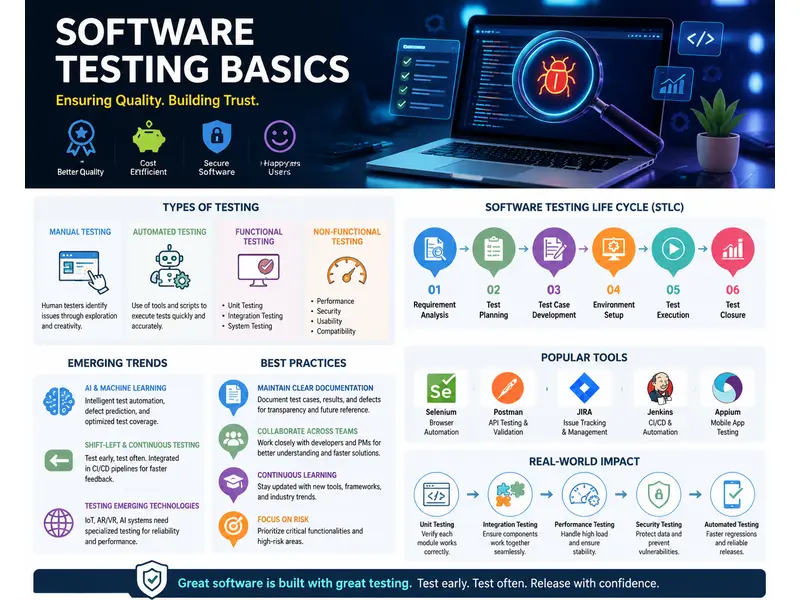
Software Testing Basics: A Comprehensive Guide for Modern Developers
In the rapidly evolving world of software development, software testing basics play a crucial role in ensuring applications are reliable,…

Fiverr Affiliate Program: A Guide to Maximizing Affiliate Earnings
Affiliate marketing continues to grow as one of the most popular online income opportunities in the digital economy. Thousands of…
No responses yet