
Smartphones have become an essential part of daily life, but traditional mobile networks still have one major weakness. In remote locations without cellular coverage, communication often becomes impossible. This limitation has pushed technology companies to explore alternative communication systems, leading to the rise of iPhone satellite messaging.
Apple introduced satellite communication features to improve emergency connectivity when standard mobile networks fail. Instead of relying solely on nearby cell towers, compatible iPhone models can connect to satellites orbiting Earth. This technology allows users to send emergency messages from isolated locations where cellular or Wi-Fi signals are unavailable.
The feature has attracted global attention because it addresses a real-world problem that affects hikers, travelers, adventurers, and people living in rural areas. Although the technology is still evolving, iPhone satellite messaging represents a major step toward more reliable mobile communication.
How iPhone Satellite Messaging Works
Connecting an iPhone to Satellites
Traditional smartphones communicate using terrestrial cellular towers. Satellite communication works differently. When a user activates the satellite messaging feature, the iPhone attempts to establish a direct connection with satellites passing overhead.
Because satellites move continuously in orbit, the phone guides the user through positioning instructions. The device may ask the user to point the phone toward a specific area in the sky to maintain signal strength.
Once connected, compressed emergency data can be transmitted to relay centers or emergency services.
Why the Process Is Different From Regular Messaging
Satellite communication is not identical to normal texting. Cellular messages travel through dense network infrastructure, while satellite signals must travel enormous distances through the atmosphere and space.
As a result, iPhone satellite messaging uses optimized text compression and carefully designed interfaces to reduce transmission time. Instead of long conversations, the system prioritizes critical emergency information.
This design ensures communication remains functional even with limited bandwidth.
The Main Purpose of iPhone Satellite Messaging
Emergency Situations Without Cellular Coverage
The primary goal of satellite messaging is emergency assistance. People traveling through mountains, forests, deserts, or offshore areas may lose access to traditional networks.
In such cases, iPhone satellite messaging allows users to contact emergency responders even when no signal bars appear on the device.
This capability can help during situations like:
- Hiking accidents
- Vehicle breakdowns in remote areas
- Natural disasters
- Boating emergencies
- Lost traveler incidents
The technology provides an additional safety layer for users operating outside urban environments.
Disaster Communication Support
Natural disasters often damage mobile towers and communication infrastructure. Hurricanes, earthquakes, floods, and wildfires can disable networks for hours or even days.
Satellite communication systems remain functional because they operate independently from local cellular infrastructure.
This makes iPhone satellite messaging valuable during large-scale emergencies when conventional communication systems fail.
Features Included in iPhone Satellite Messaging
Emergency SOS via Satellite
One of the most recognized features is Emergency SOS via satellite. This tool allows users to contact emergency services directly from unsupported areas.
The system asks users several questions about their situation to reduce message size while still delivering important details.
Information may include:
- Type of emergency
- Injury status
- GPS location
- Battery condition
- Medical details
This structured approach improves response efficiency.
Location Sharing Through Satellite
Some iPhone models also support location sharing using satellites. Users can update their location manually even when outside cellular coverage.
This feature can reassure family members or assist rescue teams during outdoor adventures.
Roadside Assistance Integration
Satellite communication may also support roadside assistance services in regions with limited network access.
Drivers stranded in isolated areas can request help without depending entirely on nearby mobile towers.
Advantages of iPhone Satellite Messaging
Improved Personal Safety
One of the biggest benefits is enhanced personal safety. Outdoor enthusiasts often travel into locations where mobile signals disappear completely.
With iPhone satellite messaging, users gain a backup communication option that may become critical during emergencies.
This added security is especially important for:
- Solo travelers
- Campers
- Mountain climbers
- Long-distance drivers
- Adventure tourists
Increased Reliability of iPhone Satellite Messaging in Remote Regions
Many rural regions still lack strong network infrastructure. Satellite communication helps bridge this connectivity gap.
Although satellite messaging is not intended to replace regular cellular service, it offers a dependable fallback solution when coverage becomes unavailable.
Easy Integration Into Smartphones
Previously, satellite communication required specialized equipment such as satellite phones. These devices were often bulky, expensive, and unfamiliar to average consumers.
Apple simplified the process by integrating satellite messaging directly into smartphones that people already use daily.
This accessibility is helping bring satellite communication into mainstream consumer technology.
Limitations of iPhone Satellite Messaging
Not Designed for Regular Conversations
One common misunderstanding is that satellite messaging functions exactly like standard texting applications. In reality, the system focuses primarily on emergency use.
Transmission speeds are slower compared to normal messaging because satellites operate under limited bandwidth conditions.
Long conversations or multimedia sharing are generally not supported through satellite mode.
Environmental Conditions Can Affect Performance
Clear sky visibility is important for satellite communication. Dense forests, mountains, tall buildings, or severe weather conditions may reduce signal quality.
Users sometimes need to reposition themselves to maintain satellite connectivity.
Availability Varies by Region
Satellite communication services may not be available in every country or region. Regulatory approvals, infrastructure partnerships, and satellite coverage limitations can affect service accessibility.
As the technology expands, broader international support is expected.
The Technology Behind iPhone Satellite Messaging
Low Earth Orbit Satellites
Most modern satellite communication systems rely on low Earth orbit satellites, commonly known as LEO satellites.
These satellites orbit much closer to Earth than traditional geostationary satellites, which reduces communication delays and improves efficiency.
LEO systems are becoming increasingly popular for:
- Satellite internet
- Mobile connectivity
- Earth observation
- Emergency communication
Their lower orbit helps smartphones maintain more practical communication links.
Specialized Antenna Design
Smartphones are compact devices with limited internal space. Integrating satellite communication hardware into thin mobile phones requires advanced engineering.
Apple developed specialized antennas and signal processing systems to support satellite connectivity without dramatically increasing device size.
This miniaturization represents a significant engineering achievement.
How iPhone Satellite Messaging Could Evolve
Expansion Beyond Emergency Services
Future versions of satellite messaging may expand beyond emergency communication. As satellite networks improve, broader messaging capabilities could become possible.
Potential future features may include:
- Basic text conversations
- Limited internet connectivity
- Satellite-based navigation support
- Communication during international travel
- Backup communication for remote workers
These developments may gradually reduce dependence on terrestrial infrastructure.
Integration With Smart Devices
Satellite communication may eventually connect with other smart devices, including wearables, vehicles, and outdoor equipment.
Smartwatches, emergency trackers, and connected vehicles could all benefit from direct satellite access.
This integration may create a broader ecosystem of resilient communication tools.
Competition in the Smartphone Industry
Apple’s introduction of satellite messaging has encouraged other smartphone manufacturers to explore similar technologies.
Competition may accelerate innovation in satellite-enabled mobile communication. Over time, more devices could support direct satellite connectivity as the technology becomes more affordable.
The Impact on Outdoor Travel and Exploration
Safer Adventure Tourism
Adventure tourism continues growing worldwide. More people are exploring remote regions for hiking, camping, skiing, and off-road travel.
Reliable emergency communication improves safety confidence for travelers entering isolated areas.
iPhone satellite messaging offers reassurance for people who want to remain reachable outside traditional network zones.
Support for Scientific and Environmental Work
Researchers and environmental teams often operate in remote locations with limited communication infrastructure.
Satellite-enabled smartphones may simplify field operations by reducing dependence on dedicated satellite phones.
This flexibility benefits scientific missions, conservation projects, and remote inspections.
Privacy and Security Considerations
Encrypted Emergency Communication of iPhone Satellite Messaging
Privacy remains a major concern in modern communication systems. Satellite messaging services typically include encryption and secure relay systems to protect transmitted information.
Emergency messages are designed to route through secure communication networks before reaching responders.
Data Handling Transparency
Technology companies continue facing questions about how user data is stored and processed.
As satellite communication becomes more common, transparency regarding location tracking and message handling will likely become increasingly important.
Users are paying closer attention to digital privacy in all forms of communication technology.
Final Thoughts on iPhone Satellite Messaging
The introduction of iPhone satellite messaging marks an important shift in smartphone communication. By enabling users to connect through satellites during emergencies, Apple has expanded the role of smartphones beyond traditional mobile networks.
Although the technology currently focuses mainly on safety and emergency assistance, its long-term potential is much broader. Satellite connectivity could eventually become a standard feature across future mobile devices.
As satellite infrastructure grows and communication systems improve, smartphone users may gain access to more reliable global connectivity than ever before. What began as an emergency tool could become one of the most important communication advancements of the modern mobile era.

iPhone Satellite Messaging: Redefining Emergency Communication
Smartphones have become an essential part of daily life, but traditional mobile networks still have one major weakness. In remote…

2-Watt Laser Satellite Communication Is Changing the Future of Space
Space communication has evolved rapidly over the last few decades. Traditional radio frequency systems once dominated satellite communication, but modern…

TechInsiderz.com Gadgets: Expert Reviews and Comparisons
In the fast-paced world of consumer technology, staying updated with the latest gadgets can be overwhelming. TechInsiderz.com gadgets provide a…

EuroGamersOnline.com Gadgets: Review for Tech Enthusiasts
In the modern world of consumer technology, staying updated with the latest gadgets is essential for both enthusiasts and everyday…
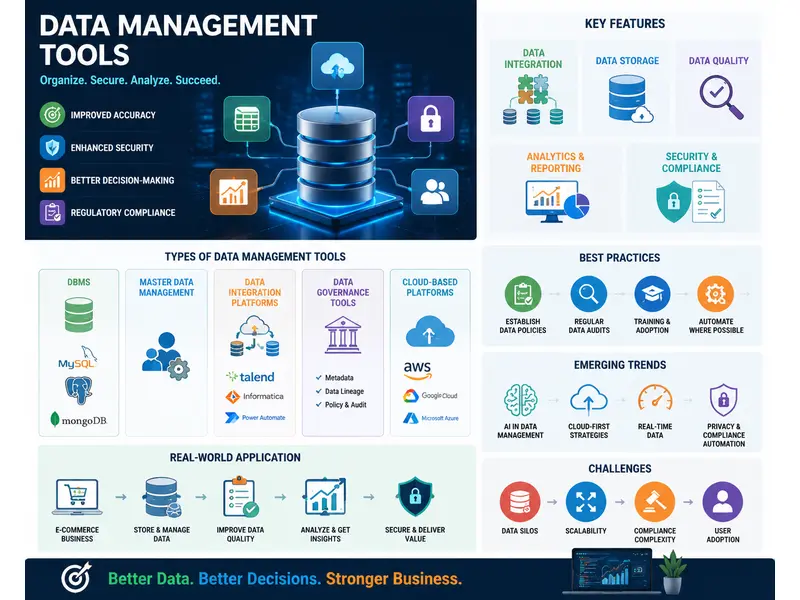
Data Management Tools: Optimizing Information in the Digital Era
In today’s digital-first world, data is one of the most valuable assets a business can possess. Organizations generate massive volumes…
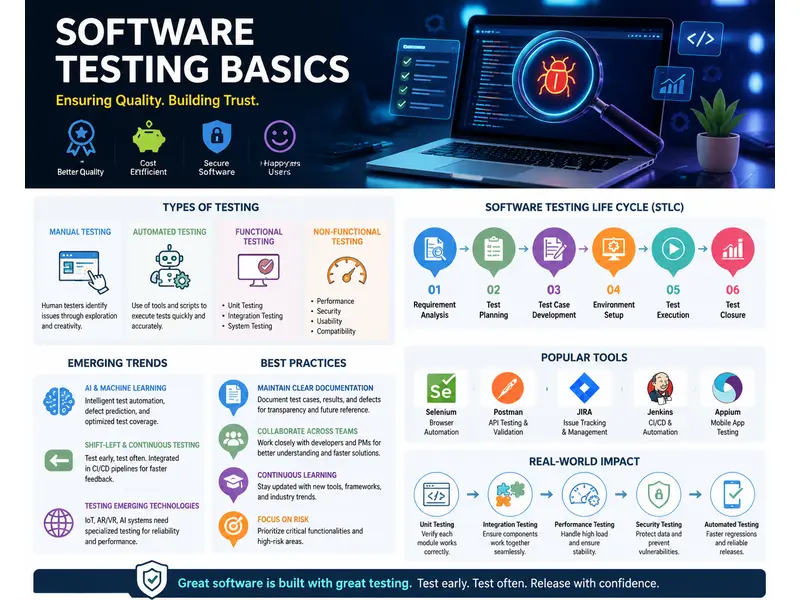
Software Testing Basics: A Comprehensive Guide for Modern Developers
In the rapidly evolving world of software development, software testing basics play a crucial role in ensuring applications are reliable,…
No responses yet